If you are buying your first drone, one of the first questions you will probably ask is whether you need a licence to fly it in the UK.
The short answer is: in most cases, you need to register before flying a modern camera drone outdoors in the UK. People often call this a “drone licence”, but for most beginners it usually means getting a Flyer ID, an Operator ID, or both — not taking a professional drone course.
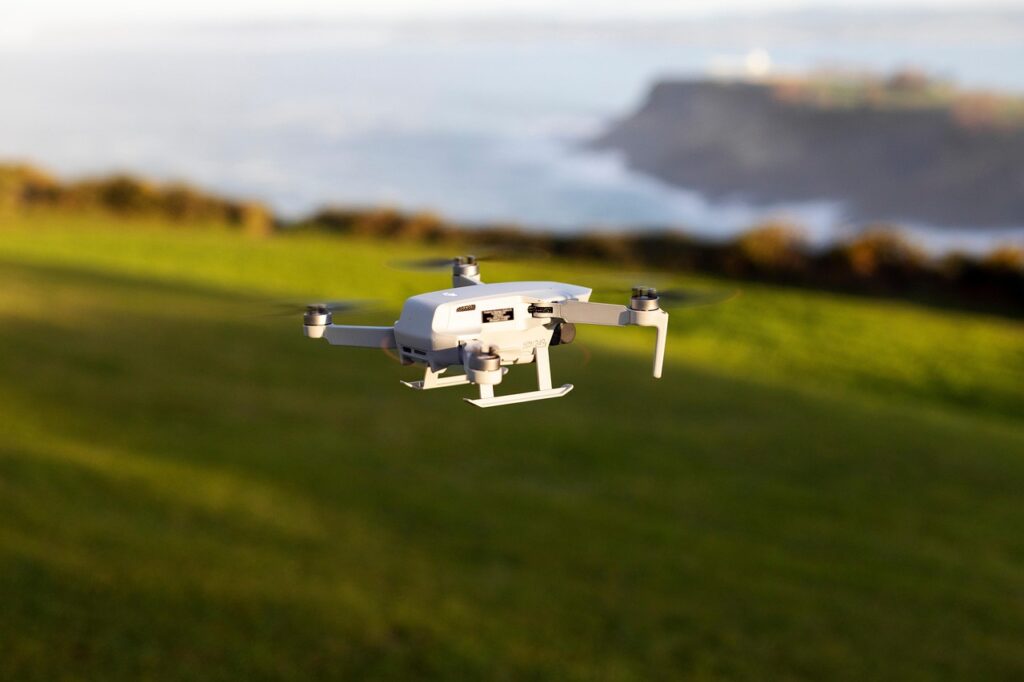
This is especially relevant if you are buying a popular beginner drone such as the DJI Flip, DJI Mini 4K, DJI Neo, DJI Mini 3, DJI Mini 4 Pro or Potensic ATOM. These are lightweight consumer drones, but they are still camera drones, and that matters under UK rules.
The good news is that the process is usually simpler than people expect. Once you understand the difference between a Flyer ID and an Operator ID, choosing your first drone becomes much less intimidating.
Table of Contents
ToggleQuick Answer: Do You Need a Drone Licence in the UK?
Most beginner camera drone owners in the UK should expect to need registration before flying.
If your drone weighs 100g or more, you normally need a Flyer ID to fly it. If you own or are responsible for a drone that weighs 100g or more and has a camera, you normally need an Operator ID as well.
That means many popular beginner drones under 250g still need registration because they have cameras.
For most first-time buyers, the important point is this:
Sub-250g does not automatically mean no registration.
A lightweight camera drone may be easier to live with than a heavier drone, but you still need to understand the UK rules before flying.
Flyer ID vs Operator ID: What Is the Difference?
The easiest way to understand UK drone registration is to separate the person flying from the person responsible for the drone.
Flyer ID
A Flyer ID is for the person flying the drone.
To get a Flyer ID, you take the CAA’s online theory test. It is designed to check that you understand the basic safety rules before flying.
For most beginners, this is the main “licence” they are thinking of, although technically it is an ID rather than a full professional licence.
Operator ID
An Operator ID is for the person or organisation responsible for the drone.
If you own the drone, or you are responsible for making sure it is used safely and legally, you are usually the operator. The Operator ID must be displayed on the drone where required.
In a simple beginner setup, the same person is often both the flyer and the operator. For example, if you buy a DJI Flip for yourself and fly it yourself, you are likely to need both a Flyer ID and an Operator ID.
Do You Need a Licence for a Drone Under 250g?
Yes, you often still need registration for a drone under 250g.
This is where many beginners get confused. Sub-250g drones are popular because they are lightweight, portable and generally easier to manage under UK drone rules. But being under 250g does not automatically remove all registration requirements.
If your drone weighs 100g to under 250g, you normally need a Flyer ID. If it also has a camera, you normally need an Operator ID as well.
That means most serious beginner camera drones under 250g still involve registration.
This includes the type of drones many beginners are considering: lightweight DJI, Potensic and similar camera drones. The registration process should not put you off buying one, but it is something to sort before your first flight.
Do DJI Mini and DJI Flip Drones Need a Flyer ID or Operator ID?
For most UK buyers, yes.
Popular beginner DJI drones such as the DJI Flip and DJI Mini 4K are lightweight camera drones. Because they weigh more than 100g and have cameras, UK buyers should expect to need a Flyer ID and Operator ID before flying.
The same principle applies to many other beginner camera drones, including models from Potensic and other brands.
The exact requirement depends on the drone’s weight and whether it has a camera, but for most modern beginner camera drones, it is safest to assume you will need to register.
This does not make them a bad choice. It simply means drone ownership now includes a small amount of admin, just like insuring a car or checking local rules before parking.
How Much Does a Drone Licence Cost in the UK?
For most beginners, the main costs are simple:
- Flyer ID: free
- Operator ID: paid annually
At the time of writing, the Flyer ID is free and valid for five years. The Operator ID costs £12.34 and is valid for one year.
The Operator ID is the part you renew annually. The Flyer ID lasts longer, but you need to retake the test when it expires.
Is the Flyer ID Test Hard?
No, the Flyer ID test is not designed to catch people out. It is there to make sure you understand the basic safety rules before flying.
You should still take it seriously. Read the Drone and Model Aircraft Code before taking the test, especially if this is your first drone.
The test covers practical safety points such as keeping your drone in sight, understanding where you can fly, avoiding restricted airspace, keeping away from crowds, and knowing your responsibilities as a drone user.
If you are buying your first drone, taking the Flyer ID test is a useful step even if you feel unsure. It gives you a clearer idea of what responsible flying actually looks like.
Can Children Fly Drones in the UK?
Yes, children can fly drones in the UK, but the rules depend on the child’s age and whether the drone requires a Flyer ID or Operator ID.
Children under 13 can get a Flyer ID, but they must take the test with a parent or guardian. If they are under 12, they must only fly when supervised by someone aged 16 or over.
Anyone under 18 cannot register for an Operator ID. This means a parent or guardian must get the Operator ID if the child owns or is responsible for a drone that requires one.
This matters if you are buying a drone for a child. A very small toy drone under 100g may be different from a proper camera drone. If you are buying a camera drone for a child or teenager, check the CAA guidance before flying.
For most parents, the practical advice is simple: do not treat a proper camera drone like a toy. Help the child understand the rules, choose a safe place to fly, supervise where needed, and make sure the correct ID requirements are in place.
Can You Fly a Drone Without Registering?
Only in limited cases.
If your drone weighs less than 100g, you may not need a Flyer ID or Operator ID. But many drones that beginners actually want to buy are over 100g, and most serious camera drones will need registration.
If your drone weighs 100g or more, expect to need a Flyer ID. If it weighs 100g or more and has a camera, expect to need an Operator ID too.
This is why many “I bought a drone, can I fly it straight away?” answers are misleading. The real answer depends on weight, camera, ownership and where you plan to fly.
Does a Flyer ID or Operator ID Mean You Can Fly Anywhere?
No. This is a very important point.
A Flyer ID or Operator ID does not give you permission to fly anywhere you like. It simply means you have met the registration requirements for the drone and your role.
You still need to follow the Drone Code, avoid restricted airspace, keep the drone in sight, stay away from crowds and respect privacy. You also need to check whether there are local restrictions where you want to fly.
For example, registering does not automatically mean you can fly near airports, over crowds, above busy public places, in protected nature areas or from private land without permission.
Think of registration as the starting point, not a free pass.
Where Can You Fly a Drone After Registering?
Once you have the correct registration, you still need to choose a suitable place to fly.
For beginners, the best places are usually quiet, open areas away from crowds, roads, buildings, livestock, airports and restricted airspace. You should also avoid flying in strong wind, poor visibility or close to people who are not involved in what you are doing.
As a beginner, look for somewhere with plenty of space and few distractions. Your first few flights should be about learning basic control, take-off, landing, orientation and safe movement. Do not make your first flight a crowded beach, town centre, public event or tight garden with trees and fences on every side.
Some of the basic UK flying rules include:
- do not fly above 120m / 400ft
- do not fly over crowds
- do not fly in restricted airspace
- keep your drone in sight
- check local restrictions before flying
- respect other people’s privacy
Can You Fly a Drone in a Park?
Sometimes, but not always.
There is no single answer for every park in the UK. Some parks may allow responsible drone flying. Others may have local council restrictions, byelaws, wildlife protections, event restrictions or rules against taking off and landing.
Before flying in a park, check the local council rules and use a drone safety map or app to check airspace restrictions. You should also consider how busy the park is. Even if flying is technically allowed, it may not be sensible if the area is full of people, dogs, children, sports matches or events.
For a beginner, a quiet open area is much better than a busy park.
Can You Fly a Drone at the Beach?
Sometimes, but you need to be careful.
Beaches can be good places to practise because they often have open space and interesting scenery. But they can also be windy, crowded and sensitive from a wildlife point of view.
Before flying at the beach, check local restrictions, nearby airspace, wildlife protections and whether the area is busy. Avoid flying near people, birds, dogs, horses, lifeboat stations, nature reserves or private property.
Wind is another major issue. Lightweight beginner drones can handle some wind, but coastal gusts can still catch new pilots out. If your first drone is something like a DJI Flip, DJI Mini 4K or Potensic ATOM, do not assume that small size means it can cope with every seaside condition.
For beginners, early morning or quiet off-season conditions are usually safer than a busy summer afternoon.
What Drone Should You Buy if You Want to Keep Things Simple?
If you are buying your first drone and want to keep things simple, I would start with a lightweight beginner camera drone rather than a large, expensive or professional-style model.
My current top beginner pick is the DJI Flip because it gives new pilots a safer, easier first-flight experience while still staying in the lightweight sub-250g category. The built-in propeller protection, palm take-off and subject tracking make it feel less intimidating than a traditional drone, while still giving you proper DJI camera-drone capability.
If you want the best-value DJI beginner camera drone, the DJI Mini 4K is also a strong option. If you want a DJI alternative, the Potensic ATOM is worth comparing.
The important thing is not to buy purely on price. A very cheap drone might look appealing, but poor stability, weak battery life and shaky footage can make learning harder rather than easier.
Are Sub-250g Drones Still Worth Buying?
Yes. Sub-250g drones are still a sensible choice for most beginners.
Even though many lightweight camera drones now require registration, they are still easier to carry, easier to store, less intimidating to fly and generally more practical for beginners than heavier drones.
They are also a better fit for casual flying, travel, family footage and learning aerial photography without jumping straight into larger drone categories.
A sub-250g drone does not remove your responsibilities, but it can still make beginner drone ownership simpler.
What Happens if You Fly Without the Right ID?
Flying without the correct ID can put you on the wrong side of UK drone rules. More importantly, it usually means you have not taken the basic steps needed to understand safe flying.
For most beginners, there is no good reason to skip registration. The Flyer ID is free, the Operator ID is relatively low cost, and the process helps you understand what you can and cannot do before taking off.
If you are spending hundreds of pounds on a drone, registration should be treated as part of the setup process.
Beginner Drone Licence Checklist
Before your first flight, work through this checklist:
- Check the weight of your drone.
- Check whether it has a camera.
- Get a Flyer ID if required.
- Get an Operator ID if required.
- Label the drone with your Operator ID where required.
- Read the Drone and Model Aircraft Code.
- Check airspace before flying.
- Choose a quiet, open location for your first flight.
- Avoid crowds, restricted airspace and poor weather.
- Keep the drone in sight at all times.
If you do those basics, you will be in a much better position than someone who simply buys a drone, charges the battery and takes off without checking anything.
Final Verdict: Do You Need a Licence to Fly a Drone in the UK?
For most beginner camera drones in the UK, yes, you should expect to need registration before flying.
In simple terms:
- If your drone weighs 100g or more, expect to need a Flyer ID.
- If your drone weighs 100g or more and has a camera, expect to need an Operator ID as well.
- If your drone weighs 250g or more, expect to need both a Flyer ID and Operator ID.
- Registration does not mean you can fly anywhere you like.
This should not put you off buying a drone. It just means responsible drone ownership starts before your first flight.
If you are buying your first drone, choose something beginner-friendly, lightweight and easy to control. For most UK beginners, I would start with the DJI Flip. If you want a lower-cost DJI camera drone, the DJI Mini 4K is the value pick. If you want to compare alternatives, the Potensic ATOM is worth looking at too.
Note: This guide is for general information only and is based on UK CAA guidance at the time of writing. Drone rules, fees and local restrictions can change, so always check the latest CAA guidance and any local rules before flying.
FAQ
Do you need a licence to fly a drone in the UK?
For most modern camera drones, yes, you need registration before flying in the UK. If your drone weighs 100g or more, you normally need a Flyer ID. If it weighs 100g or more and has a camera, you normally need an Operator ID as well.
Do I need a licence to fly a drone under 250g in the UK?
Often, yes. A drone under 250g may still need registration if it weighs 100g or more. If it has a camera, you should also expect to need an Operator ID.
Do I need a Flyer ID for a camera drone?
If the camera drone weighs 100g or more, yes, you normally need a Flyer ID to fly it in the UK.
Do I need an Operator ID for a DJI Mini drone?
For most DJI Mini-style camera drones over 100g, yes, you should expect to need an Operator ID because they have cameras. You may also need a Flyer ID to fly them.
Is the Flyer ID test hard?
No, the Flyer ID test is not designed to be difficult, but you should read the Drone and Model Aircraft Code before taking it. The test is there to make sure you understand basic safe flying rules.
How much does a UK drone licence cost?
At the time of writing, the Flyer ID is free and valid for five years. The Operator ID costs £12.34 and is valid for one year. Check the CAA website before registering in case the fee changes.
Can I fly a drone without registering?
Only in limited cases, such as some drones under 100g. Most beginner camera drones weigh more than 100g and have cameras, so registration is usually required.
Can children fly drones in the UK?
Yes, but children may need help from a parent or guardian depending on their age and the drone. If the drone requires an Operator ID, a parent or guardian may need to register as the operator.
Can I fly my drone in a park?
Sometimes, but you need to check local council rules, airspace restrictions and whether the area is safe. A quiet open space is better for beginners than a busy park.
Can I fly my drone at the beach?
Sometimes, but you need to check local restrictions, airspace, crowds, wildlife and wind conditions. Beaches can be good for drone footage, but they can also be difficult for beginners because of gusty coastal wind.
Does having a Flyer ID mean I can fly anywhere?
No. A Flyer ID shows that you have passed the basic test, but you still need to follow UK drone rules, avoid restricted airspace, keep your drone in sight and avoid flying over crowds.
What is the best beginner drone if I want to keep things simple?
For most UK beginners, the DJI Flip is the best first drone because it combines a lightweight design, built-in propeller protection, palm take-off and proper DJI camera-drone capability. The DJI Mini 4K is the better-value alternative.