A drone under 250g is usually the best place to start if you are buying your first proper camera drone in the UK. Lightweight drones are easier to carry, less intimidating to fly and a better fit for beginners, travel, family footage and casual aerial photography.
But there is one important thing to understand straight away: under 250g does not mean no rules.
Most serious drones under 250g have cameras. In the UK, that means you should still expect to need a Flyer ID and Operator ID before flying outdoors. The benefit of buying under 250g is not that you avoid responsibility. The benefit is that you get a lighter, more practical drone that is easier to live with and usually more beginner-friendly than heavier models.
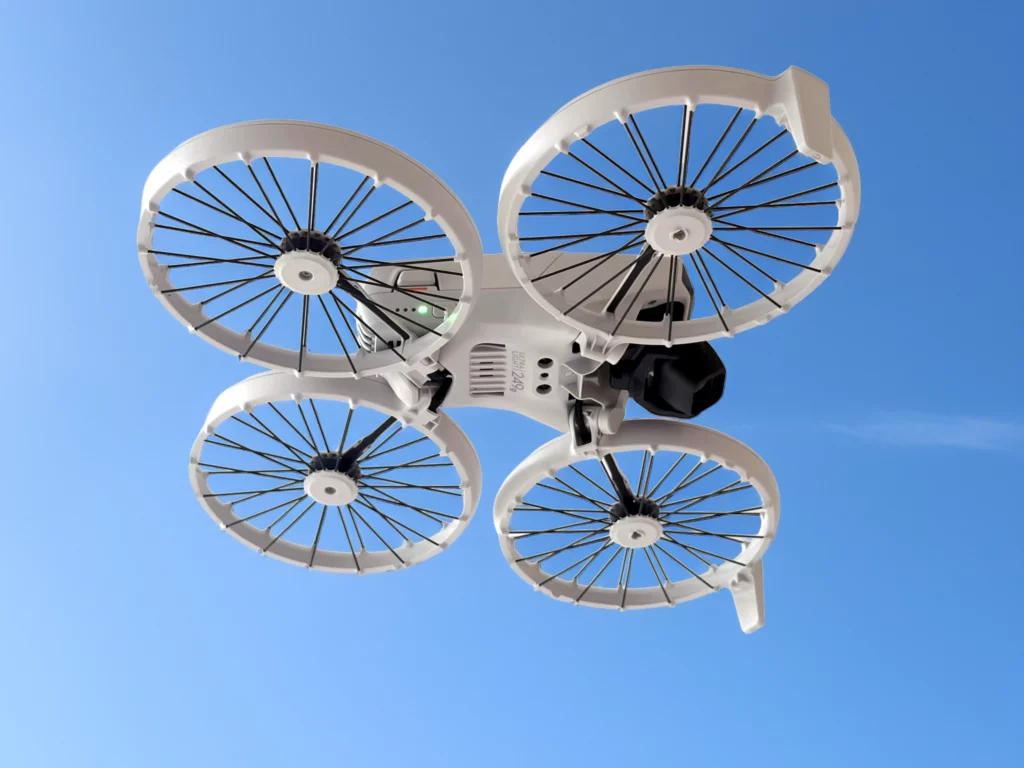
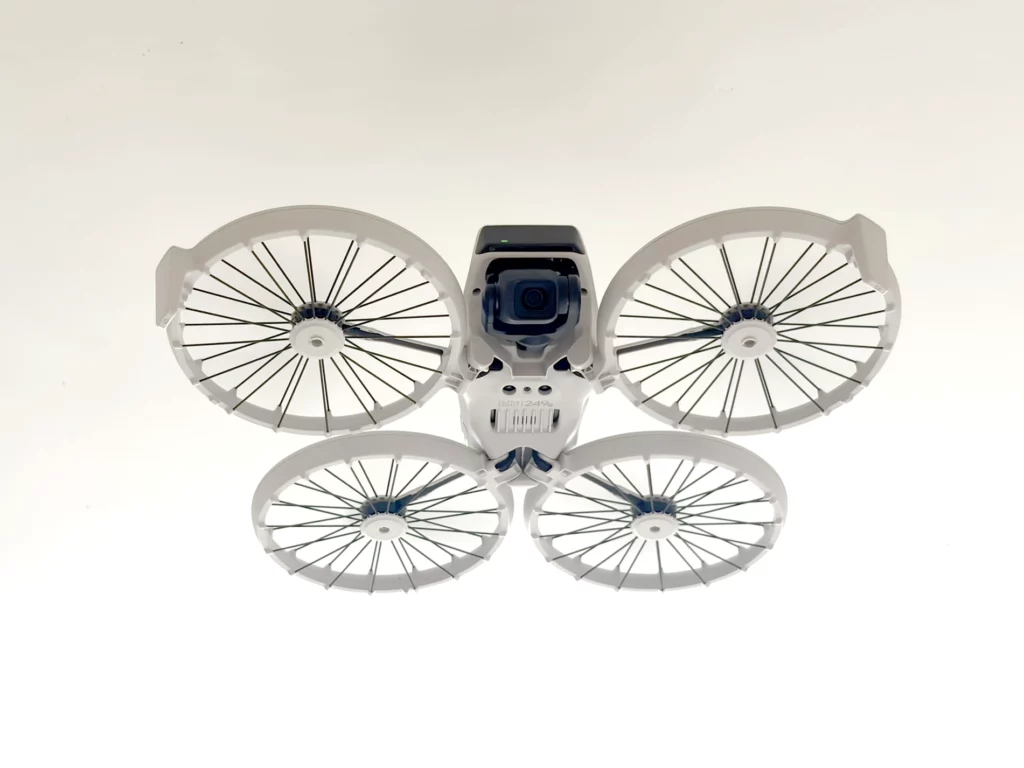
If I were buying a lightweight drone in the UK today, my top pick would be the DJI Flip. It is not the cheapest sub-250g drone, but it is the strongest all-round choice for most beginners because it combines a lightweight design, built-in propeller protection, palm take-off, subject tracking and proper DJI camera-drone capability.
Table of Contents
ToggleQuick Picks: Best Drones Under 250g UK
| Category | Best Pick |
|---|---|
| Best drone under 250g overall | DJI Flip |
| Best value drone under 250g | DJI Mini 4K |
| Best premium drone under 250g | DJI Mini 4 Pro |
| Best DJI alternative under 250g | Potensic ATOM |
| Best simple creator drone under 250g | DJI Neo |
| Best budget GPS drone under 250g | Potensic ATOM LT |
| Best bundle value under 250g | Potensic ATOM Fly More Combo |
Best Drone Under 250g Overall: DJI Flip
For most UK buyers, the DJI Flip is the best drone under 250g.
The reason is not just that it is lightweight. Plenty of drones are lightweight. The reason the DJI Flip stands out is that it makes lightweight drone ownership feel easier, safer and more confidence-inspiring.
The built-in propeller protection is the main advantage. With a traditional Mini-style drone, the propellers are exposed. That is normal, but it can make new pilots nervous, especially during take-off, landing and close-range practice. The DJI Flip feels more beginner-friendly because the propeller protection is part of the design rather than an optional afterthought.
Palm take-off is another useful feature. It makes the drone feel quicker and less awkward to use, especially if you want casual footage while walking, travelling, filming family clips or capturing simple creator-style shots.
The DJI Flip also gives you proper DJI camera-drone capability rather than feeling like a toy. It is a better all-round first drone than the DJI Neo and more confidence-inspiring than jumping straight into a standard Mini-style camera drone.
Why it is the best under-250g pick
The DJI Flip gives beginners the strongest combination of easy flying, safety-focused design, camera quality and long-term usefulness. It is the drone I would recommend if someone wants one lightweight drone that feels simple enough to learn with but capable enough to keep using.
Who should buy it?
Buy the DJI Flip if you want the best lightweight beginner drone overall and you are willing to pay more for a safer, easier first-drone experience.
Best Value Drone Under 250g: DJI Mini 4K
The DJI Mini 4K is the best-value drone under 250g for most UK buyers.
It is not as beginner-friendly as the DJI Flip in terms of built-in propeller protection and palm take-off, but it gives you a proper DJI camera-drone experience at a lower price. That makes it one of the strongest lightweight drones for people who want 4K video, stable flying and a recognised ecosystem without spending Mini 4 Pro money.
This is the drone I would look at if price matters but you still want something serious enough to keep using. It is a much better long-term buy than most cheap drones because it gives you GPS stability, Return to Home, 4K video and the confidence of a proper DJI setup.
The DJI Mini 4K is especially good for beginners who want to learn traditional drone flying. It feels more like a classic camera drone than the DJI Flip or DJI Neo, which may appeal if your goal is aerial photography rather than quick social-style clips.
Why it is the best value pick
The DJI Mini 4K gives you the important beginner features without forcing you into premium pricing. It is light, portable, stable and capable enough for family footage, travel, landscape clips, garden shots and casual YouTube-style video.
Who should buy it?
Buy the DJI Mini 4K if you want the best-value lightweight DJI camera drone and the DJI Flip feels too expensive.
Best Premium Drone Under 250g: DJI Mini 4 Pro
The DJI Mini 4 Pro is the best premium drone under 250g.
It is overkill for some beginners, but it is the right choice for buyers who know they want strong camera features, better obstacle sensing, more advanced video options and a drone they can grow into.
This is where the under-250g category becomes interesting. You are still getting a lightweight drone, but the Mini 4 Pro is much closer to a serious creative tool than a basic beginner model. It is the option I would look at if you care about higher-quality video, more control over footage and keeping the drone for longer before feeling the need to upgrade.
The downside is price. If this is your first drone and you are not sure how often you will fly, the DJI Flip or DJI Mini 4K will make more sense. But if you already know you want to take drone photography or video seriously, the DJI Mini 4 Pro is the strongest premium pick in this lightweight category.
Why it is the premium pick
The DJI Mini 4 Pro gives you advanced features in a lightweight body. It is ideal for people who want a compact drone but do not want to feel limited by an entry-level camera or basic flight features.
Who should buy it?
Buy the DJI Mini 4 Pro if you want the best compact drone under 250g and you are serious about drone photography, video or content creation from the start.
Best DJI Alternative Under 250g: Potensic ATOM
The Potensic ATOM is the best DJI alternative under 250g.
It is a strong option for buyers who want a proper lightweight camera drone but do not want to automatically pay DJI prices. The key thing that makes the ATOM worth considering is that it is not just a cheap drone with big claims. It has a 3-axis gimbal, 4K video and a sensible beginner-friendly feature set.
The 3-axis gimbal matters. Smooth footage is one of the biggest differences between a real camera drone and a cheaper drone that looks impressive in product photos but produces shaky clips in practice.
Potensic also tends to compete well on bundle value. If you can get the ATOM Fly More Combo at a good price, the extra batteries and accessories can make it a sensible alternative to buying a base drone and adding everything later.
Why it is the best DJI alternative
The Potensic ATOM gives you a proper sub-250g camera drone without locking you into DJI. It is especially interesting when the Fly More Combo is priced well.
Who should buy it?
Buy the Potensic ATOM if you want a capable lightweight camera drone, good bundle value and a credible alternative to DJI.
Best Simple Creator Drone Under 250g: DJI Neo
The DJI Neo is the best simple creator drone under 250g.
It is not the drone I would choose as the best all-round lightweight camera drone. That is the DJI Flip. But the DJI Neo has its place because it is small, simple and designed around easy social-style footage.
This is the drone for someone who wants quick clips rather than a traditional drone-flying experience. It is better suited to casual video, follow-style shots, family moments, walking clips and simple content creation than serious aerial photography.
The DJI Neo is also interesting because it feels less intimidating than a traditional controller drone. For some people, that matters more than camera specification. But if you want a drone you can grow into, the DJI Flip or DJI Mini 4K is the stronger long-term choice.
Why it suits casual creators
The DJI Neo makes sense if you care more about quick footage than traditional flying. It is small, accessible and easy to use, but it is not the best choice if your main goal is serious aerial video.
Who should buy it?
Buy the DJI Neo if you want a small, simple drone for casual creator clips and you are not looking for the best all-round camera drone.
Best Budget GPS Drone Under 250g: Potensic ATOM LT
The Potensic ATOM LT is the budget option I would consider before dropping into very cheap no-name drones.
Budget drone buying is risky because a lot of cheap drones look better online than they feel in real use. Weak wind resistance, shaky footage, short battery life and unreliable hovering can make learning harder rather than easier.
The Potensic ATOM LT gives budget-conscious buyers a more sensible place to start. It is still in the lightweight GPS drone category, rather than being a basic toy drone with exaggerated claims.
It will not be the right choice for everyone. If you can stretch to the DJI Flip, DJI Mini 4K or Potensic ATOM, those are stronger options. But if you need to keep the budget down, the ATOM LT is one of the more sensible lightweight drones to compare.
Why it is the budget pick
The Potensic ATOM LT gives you a more credible entry point than many very cheap drones. It is not the best drone under 250g, but it is a more realistic budget option than most no-name alternatives.
Who should buy it?
Buy the Potensic ATOM LT if you want a lower-cost lightweight GPS drone and you are trying to avoid the weakest toy-grade models.
Are Drones Under 250g Better for Beginners?
Usually, yes.
A drone under 250g is normally a better starting point for beginners because it is lighter, easier to carry and less intimidating to fly. You are more likely to take it out with you, practise with it and use it regularly.
Lightweight drones are also a better fit for travel and family use. They take up less space in a bag, feel less of a commitment to fly and are easier to bring along on days out.
That does not mean every under-250g drone is good. Some very cheap lightweight drones are still poor choices. Weight is only one part of the buying decision. Camera quality, stability, battery life, app support, controller quality and safety features all matter.
For most UK beginners, I would rather buy a good under-250g drone than a heavier drone with more features but a steeper learning curve.
Do Drones Under 250g Need a Flyer ID or Operator ID in the UK?
Often, yes.
This is the most important rules point for UK buyers.
A drone under 250g is not automatically registration-free. If it weighs 100g or more, you normally need a Flyer ID to fly it outdoors. If it weighs 100g or more and has a camera, you normally need an Operator ID as well.
Because most serious beginner drones under 250g have cameras, UK buyers should usually expect to need both.
This applies to many lightweight camera drones, including DJI Mini-style drones, DJI Flip-style drones and Potensic camera drones.
Do not let this put you off. The Flyer ID test is free, and the Operator ID is a normal part of responsible drone ownership. But it is better to know before you buy than to assume sub-250g means no paperwork.
DJI Flip vs DJI Mini 4K: Which Under-250g Drone Should You Buy?
If you want the best under-250g drone overall, buy the DJI Flip.
If you want the best-value under-250g DJI camera drone, buy the DJI Mini 4K.
That is the simplest way to separate them.
The DJI Flip is the better choice for most beginners because it feels safer and easier to use. The built-in propeller protection, palm take-off and subject tracking make a real difference if you are nervous about your first flights.
The DJI Mini 4K is the better choice if you want a more traditional drone at a lower price. It is still lightweight, stable and capable of good 4K footage, but it does not have the same beginner-friendly safety feel as the Flip.
For most first-time UK buyers, I would choose the DJI Flip. For price-conscious buyers who still want DJI quality, I would choose the DJI Mini 4K.
DJI Flip vs DJI Neo: Which Lightweight DJI Drone Is Better?
The DJI Flip is the better all-round drone.
The DJI Neo is the simpler, cheaper creator drone.
The difference is important. The Neo is designed for quick, casual footage. It is small, fun and easy to use, but it is not the best option if you want a proper camera drone you can grow into.
The Flip gives you a stronger balance of beginner safety, camera quality and long-term usefulness. It still feels simple, but it gives you more of a proper drone experience than the Neo.
If you only want quick social clips, the DJI Neo is worth considering. If you want your first real drone, buy the DJI Flip.
DJI Mini 4K vs DJI Mini 4 Pro: Is the Pro Worth It?
For most beginners, the DJI Mini 4K is the better-value choice.
The Mini 4 Pro is the better drone, but that does not automatically make it the better first buy. It makes sense if you already know you care about advanced video features, obstacle sensing and a more premium flying experience.
If you are still unsure whether drone flying will become a regular hobby, the Mini 4K is a safer value pick. It gives you the main beginner benefits without tying up too much money in your first drone.
If you are serious about aerial video, photography, travel content or YouTube-style work from day one, the Mini 4 Pro becomes much easier to justify.
Is It Worth Buying a Cheap Drone Under 250g?
Sometimes, but be careful.
A cheap drone under 250g can be fine for fun, indoor use or very basic practice. But if you want smooth video, stable hovering and a drone you will still enjoy after the first few flights, very cheap drones are often disappointing.
The problem is that cheap drone listings often focus on big headline claims: HD camera, foldable design, long battery life, beginner-friendly controls. In real use, the footage may be shaky, the app may be poor, the drone may drift in light wind and the battery life may feel short.
A good beginner drone is not just about weight. It should be stable, predictable and enjoyable to fly.
If your budget allows, I would start with a proper lightweight camera drone such as the DJI Flip, DJI Mini 4K or Potensic ATOM rather than buying the cheapest drone under 250g you can find.
What Accessories Do You Need for a Drone Under 250g?
The most useful accessories are the ones that make you fly more often and protect the drone.
Spare batteries
This is the first accessory I would buy. One battery is rarely enough once you start practising. A Fly More-style bundle can be better value than buying extra batteries later.
MicroSD card
If the drone records to microSD, use a suitable high-speed card from a reliable brand. Do not assume any old card will handle 4K video properly.
Carry case
A good case protects the drone, controller, batteries, cables and propellers. It also makes you more likely to take the drone out with you.
Landing pad
A landing pad is useful on grass, sand, gravel, dusty paths and damp ground. It helps protect the gimbal, camera and propellers.
Spare propellers
Lightweight drones are small, but propellers still get damaged. Keep spares ready before you need them.
ND filters
ND filters are useful if you want smoother, more cinematic video in bright conditions. They are not essential on day one, but they are worth considering once you start caring about footage quality.
What to Check Before Buying a Drone Under 250g
Before you buy, check these points:
- Does it definitely weigh under 250g?
- Does it have a camera?
- Does it need a Flyer ID and Operator ID?
- Does it shoot proper stabilised video?
- Does it have GPS?
- Does it include a controller?
- How many batteries are included?
- Is there a Fly More-style bundle?
- Are spare batteries and propellers easy to buy?
- Does it have beginner safety features?
- Is the app reliable and well supported?
- Will you still want to use it in six months?
That last question is important. A cheap drone that gets abandoned after two weekends is not good value. A better lightweight drone that makes you want to fly more often is usually the better buy.
What I Would Buy First
If I were buying one drone under 250g in the UK today, I would buy the DJI Flip.
It gives most beginners the best balance of safety, ease of use, camera quality and long-term usefulness. The built-in propeller protection makes it less intimidating. Palm take-off makes it easier to start using. Subject tracking makes it more useful for casual video. The lightweight design keeps it practical.
The DJI Mini 4K is still the best-value choice if price matters most. It is the drone I would choose if I wanted a lower-cost DJI camera drone and was happy with a more traditional flying experience.
The DJI Mini 4 Pro is the premium choice if you know you are serious from day one. Potensic ATOM is the DJI alternative worth comparing. DJI Neo is the simple creator option if you want quick casual clips rather than a full camera drone experience.
For most UK beginners, though, the DJI Flip is the one I would buy first.
Final Verdict: Best Drone Under 250g UK
The best drone under 250g for most UK buyers is the DJI Flip.
It is not the cheapest option, but it is the best lightweight beginner drone overall because it combines proper DJI camera-drone capability with a safer, easier first-flight experience.
The DJI Mini 4K is the best-value alternative. The DJI Mini 4 Pro is the premium pick. Potensic ATOM is the best DJI alternative. DJI Neo is the simple creator choice.
If you are buying your first lightweight drone, do not choose purely on price. Choose the drone you are most likely to use, practise with and keep enjoying after the first few flights.
For most people, that drone is the DJI Flip.
FAQ
What is the best drone under 250g in the UK?
For most UK buyers, the DJI Flip is the best drone under 250g because it combines a lightweight design, built-in propeller protection, palm take-off, subject tracking and proper DJI camera-drone capability.
Do drones under 250g need a licence in the UK?
Often, yes. If a drone weighs 100g or more, you normally need a Flyer ID. If it weighs 100g or more and has a camera, you normally need an Operator ID as well. Most serious under-250g camera drones require registration.
Is the DJI Flip under 250g?
Yes, the DJI Flip is under 249g, which puts it in the lightweight beginner-friendly category.
Is the DJI Mini 4K under 250g?
Yes, the DJI Mini 4K is under 249g, making it a strong lightweight option for beginners who want a lower-cost DJI camera drone.
Is the DJI Mini 4 Pro under 250g?
Yes, the DJI Mini 4 Pro is under 249g. It is the premium option in this lightweight category.
Is the Potensic ATOM under 250g?
Yes, the Potensic ATOM is under 249g. It is one of the strongest DJI alternatives in the lightweight camera drone category.
Is under 250g better for beginners?
Usually, yes. Drones under 250g are easier to carry, less intimidating to fly and more practical for beginners. However, you still need to check registration requirements and choose a drone with good stability, camera quality and support.
Is DJI Flip better than DJI Mini 4K?
For most beginners, yes. The DJI Flip is easier and more confidence-inspiring because of its built-in propeller protection, palm take-off and subject tracking. The DJI Mini 4K is the better-value traditional camera drone.
Is DJI Mini 4 Pro worth it for beginners?
It can be, but only if you know you are serious about drone video or photography. For most casual beginners, the DJI Flip or DJI Mini 4K will make more sense.
Should I buy a cheap drone under 250g?
Only if you want something for casual fun or very basic practice. If you want smooth footage, stable flying and a drone you will keep using, it usually makes more sense to buy a proper lightweight camera drone such as the DJI Flip, DJI Mini 4K or Potensic ATOM.
What is the best drone under 250g for travel?
For most travel users, the DJI Flip is the best all-round choice because it is lightweight, compact and beginner-friendly. The DJI Mini 4K is a better-value travel option if you want to spend less.
What is the best non-DJI drone under 250g?
The Potensic ATOM is the best non-DJI drone under 250g for most buyers because it offers 4K video, a 3-axis gimbal and good value in a lightweight package.